
Cura Design
170 Rendle St,
Stonehouse, Plymouth PL1 1TP
T: 03301 331 204


Cura can be translated in Portugese as "the process of making or becoming sound or healthy again".
"Innovative and agile in problem solving which led to my brief being delivered. Would highly recommend working with Cura." - C. Kane
Cura design specialize in connecting architecture with nature, increasing our Clients physical well-being and enhancing nature and local biodiversity.
Whether working as part of a wider project team or directly for Clients, the common thread that runs through all our projects is award winning excellence in design, a love of nature and a love of life. With over 175 completed projects, we are experts at residential and cultural and healthcare design, including Para 84e and Para139 residential applications. We are also one of the very first UK architecture practices to offer biophilic design services.
A Selection of Videos about Biophilic Design and our office

Biophilic Design
Residential Projects
Video 1: The Architecture of Life
Credit:: Biophilic Design the architecture of Life,

Biophilic Cities how Architectural Technologists can use Biophilic Design to support people & planet
Video 2: Journal of Biophilic Design Interview with Robert Bedner Director of Cura Design
Credit:: Journal of Biophilc Design
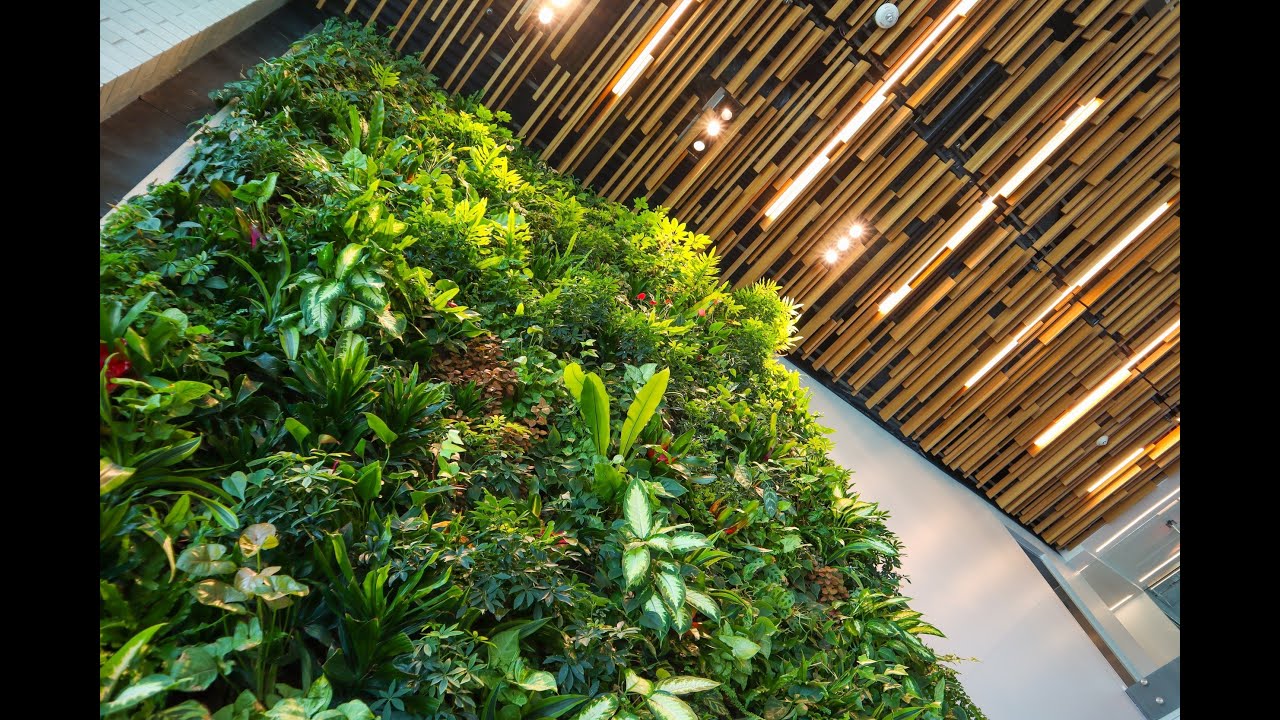
#6 - Nature based Solutions (NbS) and Integrating Nature into our Buildings
Video 3: Future Plymouth 2030 - Case Studies on Biophilic Architecture with Robert Bedner
Credit:: Future Plymouth 2030
How CURA defines Biophilic Design"Study nature, love nature, stay close to nature. It will never fail you"
(Frank Lloyd Wright from "The Wright Style" Carla Lind 1992)Cura Design believe architecture is primal - for the spirit and inextricably tied to the landscape and nature that surrounds it. All projects that Cura Design carry out are biophilic to some degree. Simply put, biophilic design endeavours to do its best in two areas. First to protect and enhance nature and biodiversity wherever a project is being built and second, to increase human well being through a better connection with nature and our surroundings. We believe this approach is essential for our physical well being, our spirtual well being, and for the present and future well being of the planet. This approach has different outcomes for different projects. Sometimes affordable and typical modern rendered cavity construction can be specified other times passive haus detailing, green roofs, hempcrete or traditional cob or earth wall technolgies are utilized. For Cura Design these two tenants of biophilic design can be achieved on any budget to any measure of quality and to any time frame. We are living in a disappearing world"EO Wilson
The biodiversity stripes are based on the the Living Planet Index which tells us that the population of mammals, birds, fish, amphibians and reptiles has now seen an average drop of 69% globally since 1970 Recent research has revealed the world’s 7.6 billion people represent just 0.01% of all living things, yet have caused the loss of 83% of all wild mammals and half of plants, while pets and livestock abound.The major cause of wildlife decline (69%) is habitat degradation and habitat exploitation carried out by human beings.Loss of habitat through the rapacious industrialization and development of our natural environment is the primary cause of what many are calling a 6th Extinction Event. Some would say we live in a civilization that is in contradiction with life itself. A civilization hard wired to exploit the earth, and to divide people and to destroy the environment.Historically, the vast majority of the architectural profession has supported this "business as usual" system through willfully producing image based designs that capture our imagination but destroy the reality of our natural environment in the process. Since the 1950s the majority of the profession and its institutions have failed in their most basic tenent - to create a better world.


BIOPHILIC
How CURA defines Biophilic Design
"Study nature, love nature, stay close to nature. It will never fail you" (Frank Lloyd Wright from "The Wright Style" Carla Lind 1992)
Cura Design believe architecture is primal - for the spirit and inextricably tied to the landscape and nature that surrounds it. All projects that Cura Design carry out are biophilic to some degree. Simply put, biophilic design endeavours to do its best in two areas. First to protect and enhance nature and biodiversity wherever a project is being built and second, to increase human well being through a better connection with nature and our surroundings. We believe this approach is essential for our physical well being, our spirtual well being, and for the present and future well being of the planet.
This approach has different outcomes for different projects. Sometimes affordable and typical modern rendered cavity construction can be specified other times passive haus detailing, green roofs, hempcrete or traditional cob or earth wall technolgies are utilized. For Cura Design these two tenants of biophilic design can be achieved on any budget to any measure of quality and to any time frame.
We are living in a disappearing world"
EO Wilson
The biodiversity stripes are based on the the Living Planet Index which tells us that the population of mammals, birds, fish, amphibians and reptiles has now seen an average drop of 69% globally since 1970
Recent research has revealed the world’s 7.6 billion people represent just 0.01% of all living things, yet have caused the loss of 83% of all wild mammals and half of plants, while pets and livestock abound.The major cause of wildlife decline (69%) is habitat degradation and habitat exploitation carried out by human beings.
Loss of habitat through the rapacious industrialization and development of our natural environment is the primary cause of what many are calling a 6th Extinction Event. Some would say we live in a civilization that is in contradiction with life itself. A civilization hard wired to exploit the earth, and to divide people and to destroy the environment.
Historically, the vast majority of the architectural profession has supported this "business as usual" system through willfully producing image based designs that capture our imagination but destroy the reality of our natural environment in the process. Since the 1950s the majority of the profession and its institutions have failed in their most basic tenent - to create a better world.
